
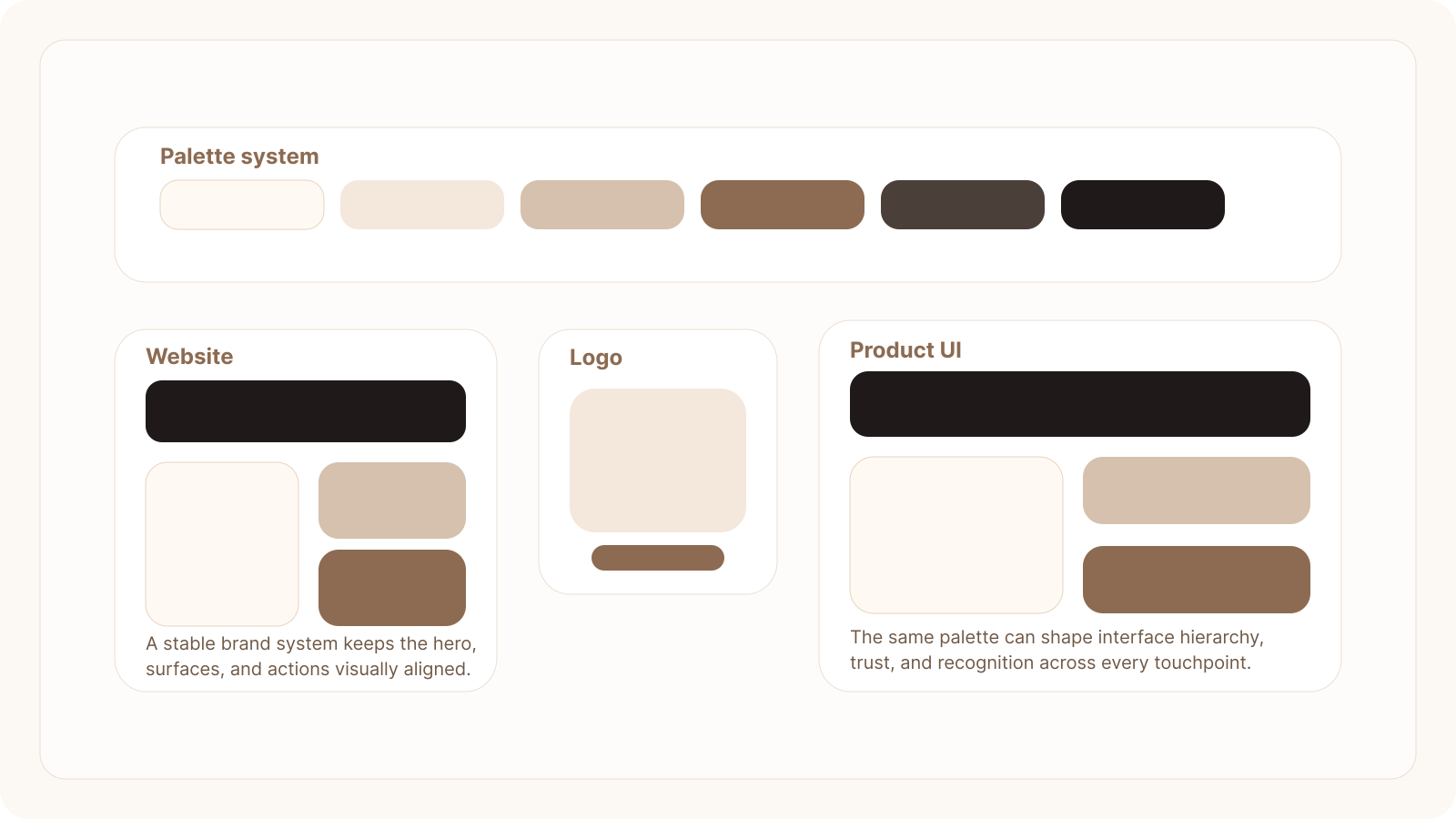
Brand colors matter because they influence recognition, emotional tone, usability, and perceived quality. A product that uses consistent colors across its website, app, onboarding, and marketing materials feels more trustworthy and better organized. A product with inconsistent color choices often feels unfinished, even when the underlying product is strong. That is why teams spend time refining brand palettes, UI accents, grayscale systems, and contrast rules before shipping a serious website or application.
Color choices shape how a product feels before a user ever reads the copy or tests the feature set.
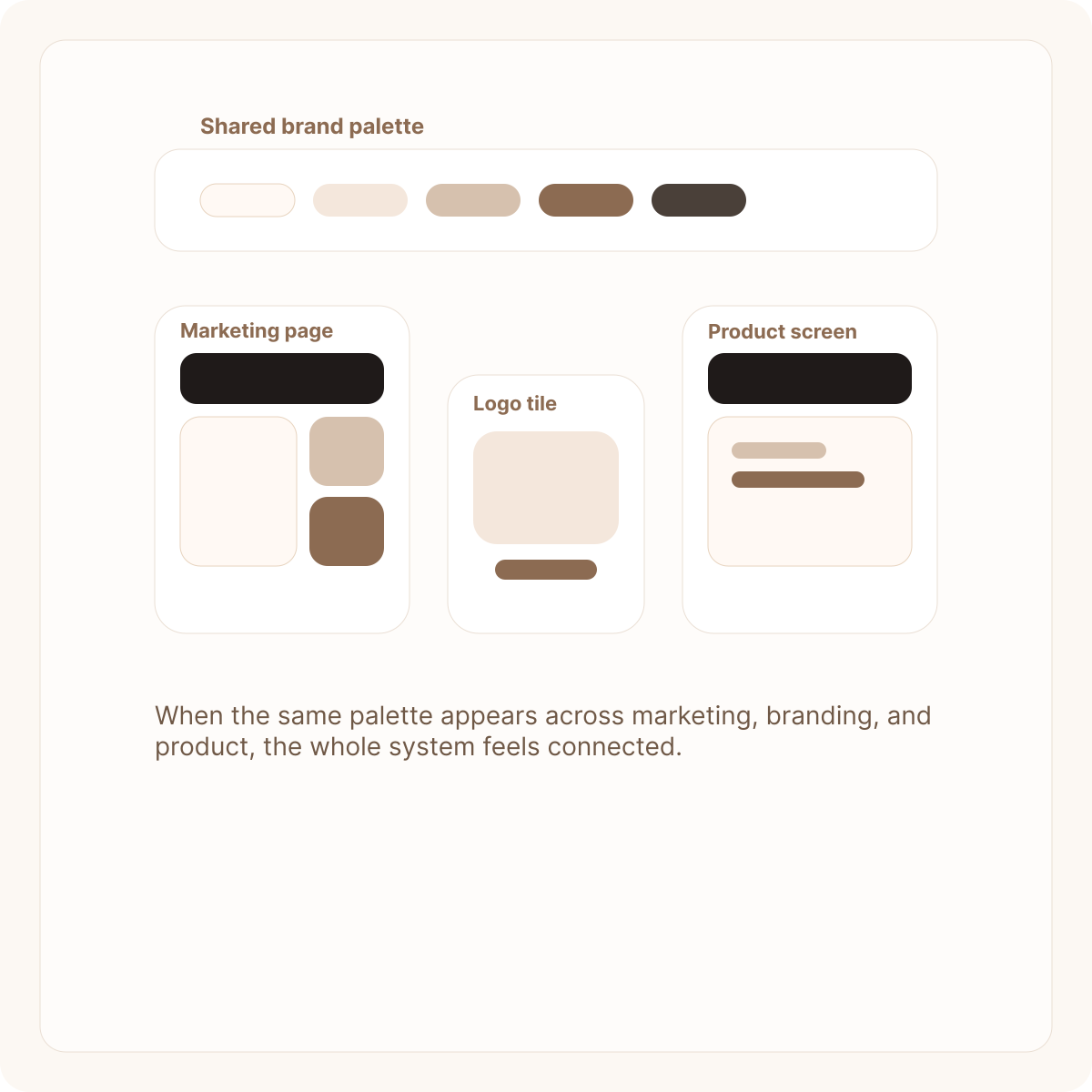
Color creates hierarchy and trust
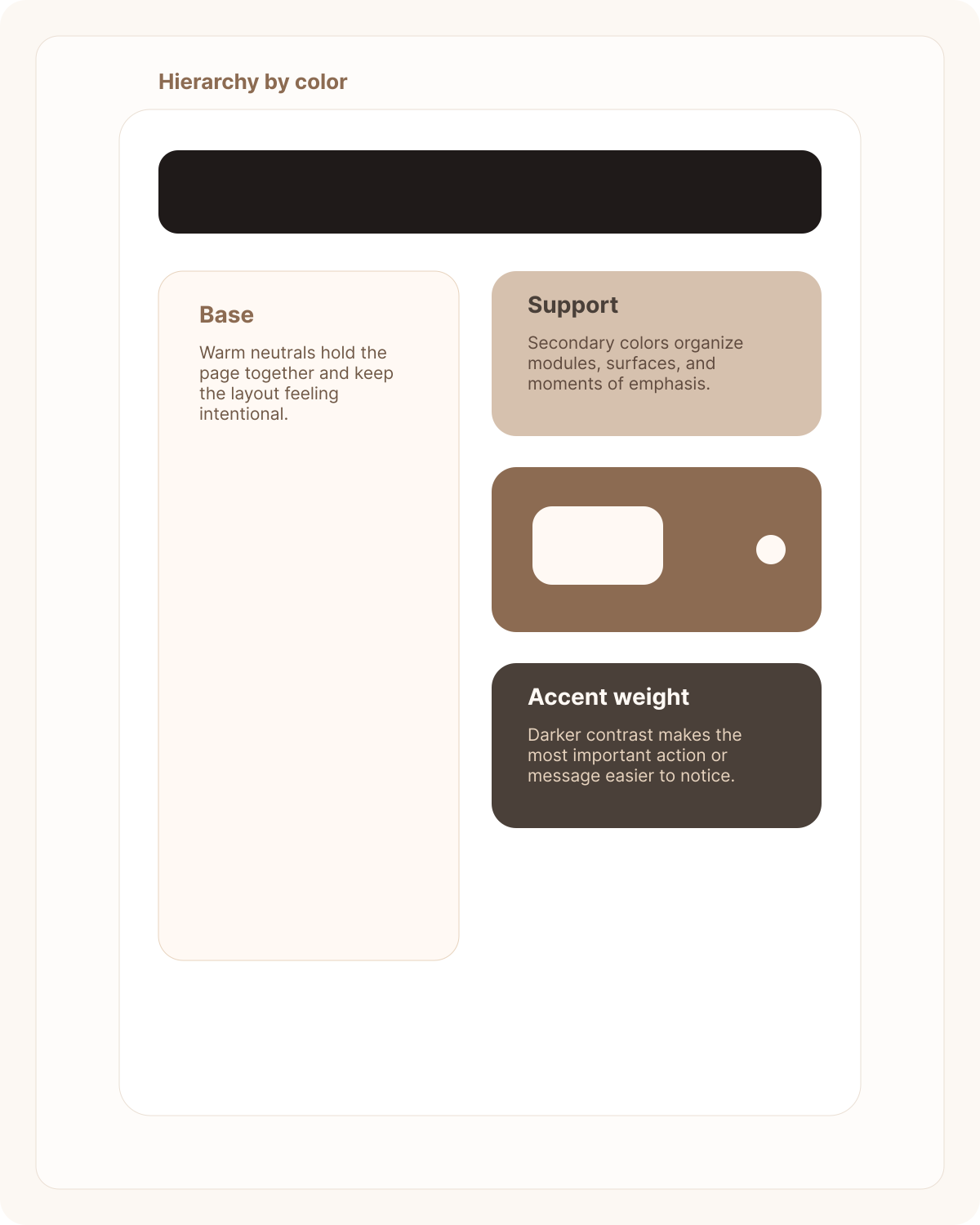
Color is not just decoration. It helps users understand hierarchy, action, and meaning. A strong primary color can define the brand. A reliable neutral system can create elegant interfaces. Accent colors can guide attention to buttons, status changes, metrics, warnings, and confirmation states.
When these colors are chosen carefully, the product becomes easier to scan and easier to remember. This is especially important for SaaS interfaces, AI tools, dashboards, ecommerce experiences, and landing pages where clarity affects conversion and retention.
Why exact color references matter
The challenge is that many teams find inspiration in existing websites, product screenshots, presentation decks, or competitor interfaces, but they do not know the exact colors they are seeing. That creates friction when trying to recreate a feeling or build a design system around a reference.
Identify Hexcode closes that gap by helping users identify the exact hexcode from an image and save multiple colors into a palette they can reuse. Instead of approximating a tone by eye, a team can work from exact values.
Why this matters for AI-generated design
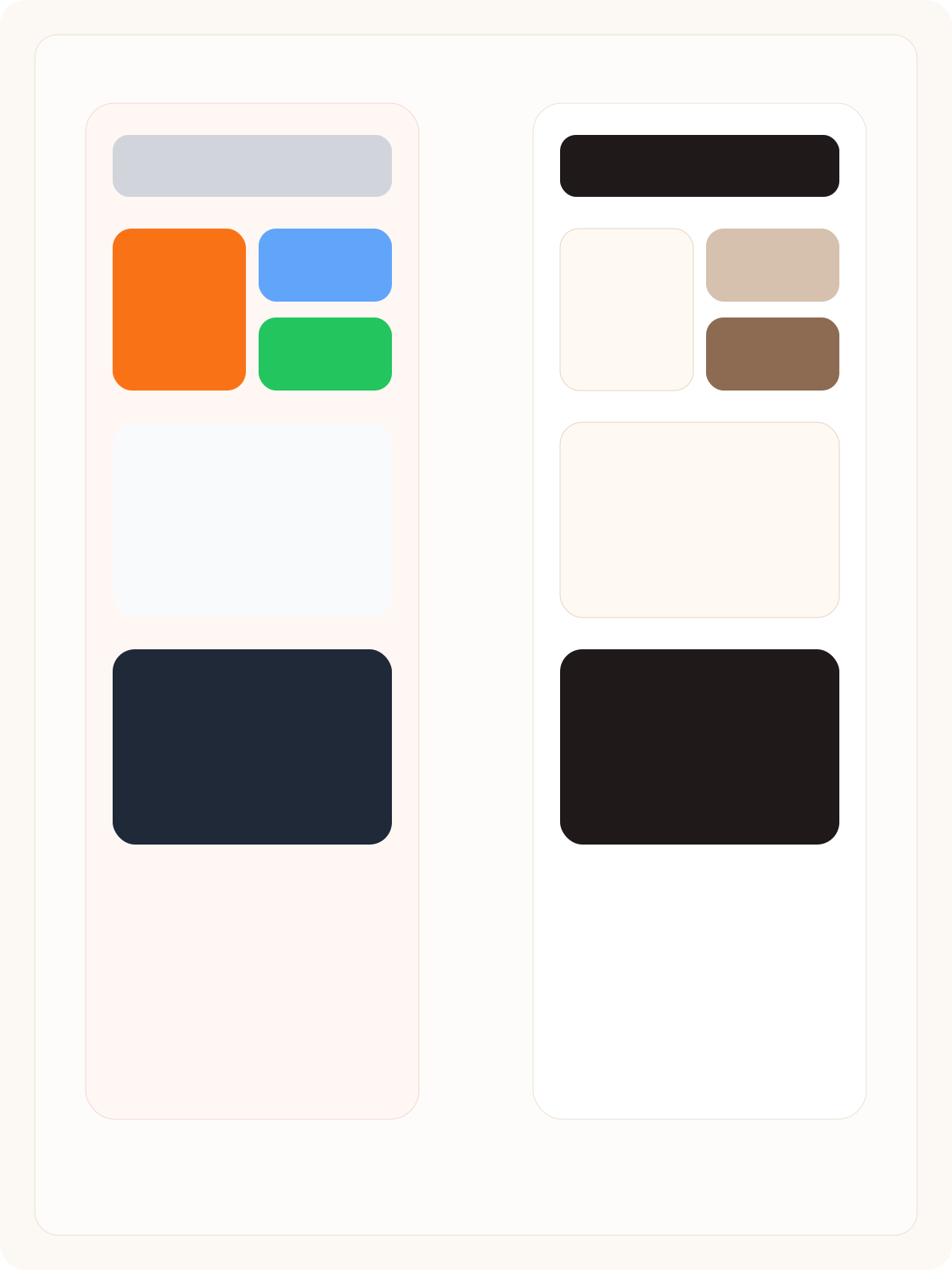
For AI-generated design workflows, brand color precision becomes even more important. If a founder or marketer wants an AI tool to generate a landing page, a dashboard, or a product marketing site, the prompt needs better guidance than use blue and gray.
With a real palette, the instruction becomes concrete. The result is usually more cohesive, more polished, and more aligned with the intended brand. That is why color picking, color sampling, and hexcode lookup are foundational for modern AI-assisted product design.
FAQ
Why do brand colors matter so much?
They influence recognition, trust, hierarchy, and perceived quality across product, marketing, and onboarding surfaces.
What makes a brand palette feel intentional?
A strong palette usually combines a defined primary color, dependable neutrals, and carefully chosen accents that each have a clear role.
Why do teams sample colors from references?
Because many useful palette ideas come from screenshots, websites, and design references where the exact values are not obvious by eye.
How does this help with AI-generated websites?
Exact brand colors produce much better prompts and more coherent generated outputs than vague instructions like use blue and gray.